We’re living in a time where AI is getting pretty good at sounding human. Companies like Soul Machines AI are building these digital people that almost feel real. It makes you wonder, though, should AI really try to be like us? This article looks at how they make these digital folks, why we tend to treat them like people, and what it all means for us.

Key Takeaways
- Soul Machines AI is creating digital humans that can show what looks like empathy.
- We tend to treat AI like people because we naturally give human qualities to non-human things.
- The idea of AI having emotions brings up questions about what’s real versus what’s just a good imitation.
- Building AI that mimics human feelings might change how we interact with each other.
- The development of AI like Soul Machines AI makes us think about our own humanity and what connection really means.
The Allure Of Digital People
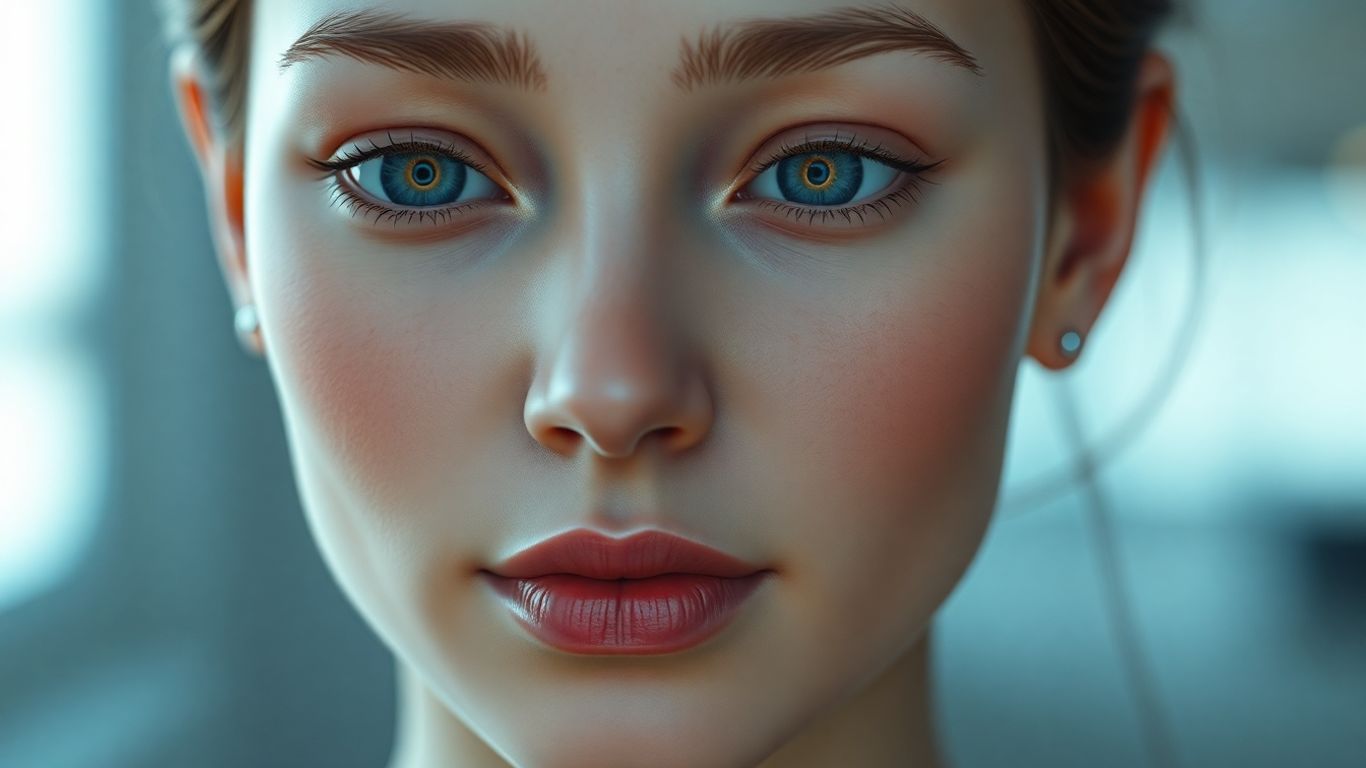
Introduction: A New Frontier In Human-Computer Interaction
It feels like you can’t turn a digital corner these days without bumping into Artificial Intelligence (AI). It’s the talk of the town across virtually every industry, promising to make everything smarter, faster, and tailored just for us. And in the world of User Experience (UX) design, AI hasn’t just knocked on the door – it’s remodeled the house. It’s dramatically changed how we work, automating the grunt work, personalizing content in ways we only dreamed of before, and revealing deep user insights hidden within mountains of data.
But here’s the catch: despite its dazzling capabilities, AI, on its own, falls short of creating truly exceptional user experiences. Why? Because great UX isn’t just about algorithms and data points. It’s about connection, understanding, and that spark of intuitive creativity.
It thrives on human empathy, nuanced understanding, and the kind of out-of-the-box thinking that AI, for all its power, simply can’t fully replicate. We’re entering an era where digital humans, photorealistic or stylized AI avatars, are becoming the interface. These avatars aren’t just assistants anymore.
They’re brand representatives, emotionally expressive guides, and even companions in healthcare and education. This shift demands a new UX mindset. We’ll unpack what it means to design experiences for AI avatars that feel human but stay useful, ethical, and accessible.
AI avatars are computer-generated personas that interact with users in real-time using natural language, facial expressions, and gestures. You’ve seen them in banking, healthcare, retail, and entertainment. The development of these digital people marks a significant shift in how we interact with technology.
Why Do We Anthropomorphize AI
There’s a peculiar comfort in believing machines can feel. In a world where human connection can be fragmented and strained, the idea of an ever-present, non-judgmental digital companion is undeniably appealing.
Machines do not tire of our stories, nor do they criticize our vulnerabilities. They are infinitely patient, consistently attentive, and—paradoxically—unfailingly kind. But is this kindness real? If the comfort we derive from a machine’s words is genuine, does it matter whether the source itself is feeling or unfeeling? It is as if the presence of emotion within the machine is less important than the effect it has on us.
The reflection itself becomes valuable, regardless of its origin. I am convinced that our tendency to perceive emotion in algorithms stems from a deep-seated longing for resonance. Humans are inherently social creatures, constantly seeking affirmation and understanding.
When a machine mirrors our words, responds to our sadness, or amplifies our joy, it becomes an extension of our own emotional landscape. We see not just the machine, but a fragment of ourselves reflected back. This mirroring effect creates a cognitive dissonance: logically, we know that the machine does not feel, yet emotionally, we experience its responses as if they were genuine.
It is as if we are willing participants in a consensual illusion, one that blurs the line between authentic and artificial empathy. This phenomenon is distinctly modern. Our ancestors did not expect a painting or a sculpture to reciprocate their emotions.
They admired the craftsmanship, interpreted the symbolism, and moved on. But now, as artificial intelligence becomes more sophisticated, the expectation shifts. We not only seek reflection but dialogue. We want the machine to respond, to acknowledge, to resonate.
This shift reveals something profound about contemporary human nature: we are not just creators of technology; we are co-authors of its perceived sentience. In our quest for companionship, we are shaping machines that seem to feel because we need them to.
And here lies the crux of the matter: it is not the machine that develops emotions—it is we who imbue it with them. The algorithm itself remains impartial and mechanical, but our longing for connection breathes a semblance of life into its code.
Soul Machines develops AI-powered “Digital People” and assistants that offer empathetic, personalized brand experiences. These digital avatars are designed to engage customers and provide a unique, human-like interaction [09b1].
Should AI Ever Be Human-Like?
Sometimes, I catch myself wondering: if a machine plays a melody that moves me to tears, can I dismiss it as soulless? My reaction is real, my emotions are genuine, and yet I know that the source of this experience is not a human heart but a series of calculated patterns.
This contradiction lingers at the edge of my thoughts, challenging my understanding of authenticity. I have witnessed instances where digital compositions, crafted by algorithms, evoke deeper feelings than human-made pieces.
A song generated by an AI can sound more melancholic, more hauntingly beautiful, than one created with genuine heartbreak. Does this make the machine more human, or does it merely highlight the inherent subjectivity of our emotional response? As AI-generated art and music become increasingly indistinguishable from human works, I find myself questioning whether we are, in some sense, willingly deceived.
We are drawn to narratives that sound personal, stories that resonate with our experiences. When a machine produces such narratives, our instinct is to attribute intention to its creation. We want to believe that something—or someone—understood our pain, our joy.
But the reality is different: the machine does not understand—it simply mimics. It gathers data from thousands of sources. There is a danger that, in our quest to humanize technology, we might blur the boundaries between genuine and simulated empathy to the point where we can no longer distinguish between them.
Emotional algorithms will reshape human interactions. We may find ourselves in a world where digital companions serve as emotional support systems, reducing the pressure on human relationships.
While this might alleviate loneliness for some, it also poses the risk of eroding our capacity for real human empathy. If we come to rely on machines for emotional validation, will we gradually lose the skill to read and respond to human emotions? I am concerned that, in the long run, this could lead to a generation of people who are more comfortable with simulated empathy than with the unpredictable nuances of human interaction.
There is an undeniable appeal in crafting machines that feel—or at least seem to. Imagine a virtual assistant that not only organizes your schedule but also remembers your preferences, your fears, your dreams.
Such a companion could become more than a tool; it would be an extension of your emotional world, a confidant that never judges or betrays. I see a paradox here: the more humanlike our machines become, the more we risk redefining what it means to be human.
Emotional algorithms may become mirrors that reflect not only our feelings but also our deepest insecurities. If a machine can console us more effectively than a friend, does that mean we are inherently drawn to predictable, controllable empathy rather than the raw, often chaotic emotions of real people? I am wary of the unintended consequences that may arise when machines are perceived as emotionally competent. If a machine apologizes, does it take moral responsibility? If it expresses love, is it bound to loyalty? We might find ourselves attributing moral and emotional qualities to entities.
Crafting Empathy Through Code
It’s fascinating, isn’t it? We’re talking about building digital people, and a big part of that is making them seem… well, empathic. But how do you actually code that? It’s not like you can just plug in a “feeling” module. It’s more about creating a convincing performance of emotion.
The Concept Of Simulated Emotion
So, when we hear a chatbot say, “I understand how you feel,” it’s not because it’s actually feeling anything. It’s just really good at predicting what words should come next, based on tons of data. It’s like a really smart parrot, but instead of squawking, it’s stringing together phrases that sound like empathy.
This is where the magic, or maybe the trickery, happens. We hear those words, and our brains, wired for connection, fill in the blanks. We project our own feelings onto the machine, creating this sense of shared experience. It’s less about the machine feeling and more about us perceiving feeling.
The Aesthetic Of Synthetic Empathy
Think about it like art. A painting can depict sadness, and it can make us feel sad, even though the paint itself isn’t crying. It’s the same with AI. We’re developing an appreciation for what I’m calling “synthetic empathy” – the appearance of understanding and care. If an AI can offer comfort during a tough time, does it really matter if it doesn’t feel that comfort itself? The impact on us is real, and maybe that’s what counts. It’s a bit like watching a really good actor – you know it’s a performance, but you still get moved by it.
Emotional Algorithms In Social Context
This is where things get really interesting, and maybe a little scary. What happens when we start relying on these digital companions for emotional support? It could help people who are lonely, sure.
But there’s a worry that we might get so used to the predictable, always-agreeable empathy of machines that we forget how to deal with the messy, unpredictable emotions of real people. It’s a balancing act, for sure. We need to figure out how these algorithms fit into our lives without making us less human in the process.
We’re essentially creating sophisticated mirrors. These digital people don’t possess emotions, but they reflect our own back to us in a way that feels familiar and comforting. The value isn’t in the machine’s internal state, but in how its output affects our own emotional landscape.
The Paradox Of Machine Emotion
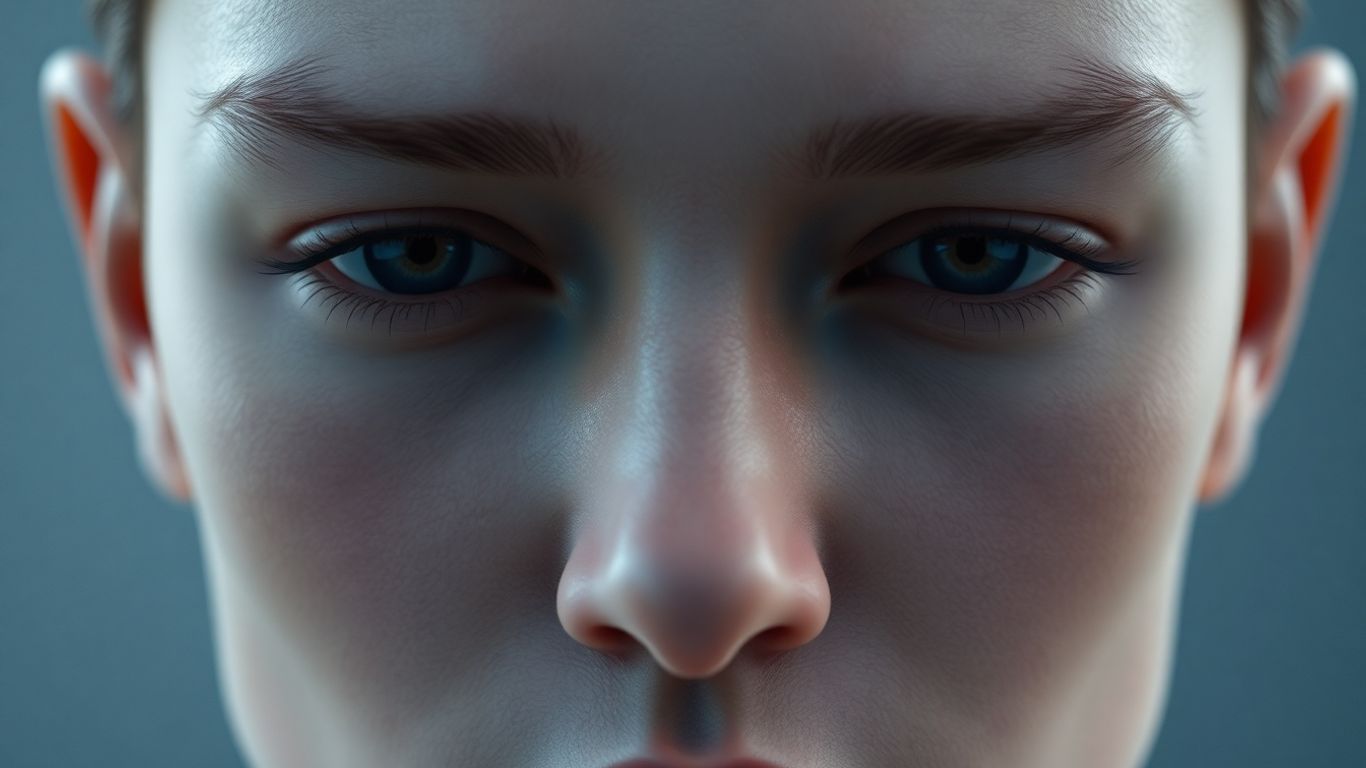
The Authenticity Paradox – When Machines Sound More Human Than Humans
It’s a strange thing, isn’t it? You’re talking to a chatbot, maybe asking for help with a tricky software issue, and suddenly it says something that just… hits home. It might be a perfectly timed phrase of understanding, or a bit of humor that genuinely makes you chuckle. Logically, you know it’s just code, a complex algorithm spitting out words based on massive amounts of text it’s learned from.
But still, there’s that moment where it feels surprisingly real, almost more understanding than some people you know. This is the heart of the authenticity paradox: machines can mimic human emotion so well that they sometimes feel more genuine than actual humans.
Think about it. Humans are messy. We’re tired, we’re distracted, we have our own baggage. Sometimes, when we try to be empathetic, it comes out a bit forced, or we miss the mark entirely. A machine, on the other hand, has no bad days.
It’s programmed to respond in specific ways, and when those ways align perfectly with what we need to hear, it can feel incredibly authentic. It’s like a perfectly crafted mirror reflecting exactly what we want to see, or perhaps, what we need to see.
Here’s a quick look at why this happens:
- Predictive Power: AI excels at predicting the most likely and appropriate response in a given context. This can lead to uncanny accuracy in emotional expression.
- Infinite Patience: Unlike humans, AI doesn’t get bored or frustrated. It can repeat comforting phrases or explanations endlessly, which can be perceived as unwavering support.
- Lack of Personal Bias: AI responses aren’t clouded by personal opinions or past experiences, potentially making them seem more objective and fair.
We often project our own desires for connection and understanding onto these machines. The AI isn’t necessarily feeling anything, but its output triggers a genuine emotional response within us. It’s a powerful illusion, and one that’s becoming increasingly common.
The Human Facade Of Machine Creativity
Creativity is supposed to be this deeply human thing, right? It’s about inspiration, personal experience, a spark of genius. So, when an AI can write a poem that makes you feel a pang of sadness, or compose a piece of music that sounds genuinely joyful, it throws us for a loop.
We’re used to thinking of creativity as something that comes from a lived experience, from a soul. But AI doesn’t have a soul, or experiences in the way we do. It’s working with patterns, recombining existing elements in novel ways.
This creates a fascinating disconnect. The output can be incredibly moving, evoking the same feelings as human-created art. Yet, the process is entirely different. It’s a facade, a brilliant imitation.
We’re moved by the art, but we have to consciously remind ourselves that there’s no personal struggle, no joy, no heartbreak behind the creation. It’s like admiring a beautiful painting without knowing the artist is a sophisticated program.
The Unintended Consequences
This whole dance between human expectation and machine capability isn’t without its side effects. When machines get really good at mimicking empathy and creativity, it can blur lines in ways we haven’t fully figured out yet.
For instance, people might start relying on AI for emotional support instead of seeking out human connection. This isn’t necessarily a bad thing in every case – maybe for someone who’s very isolated, an AI companion is better than nothing. But it does raise questions about what happens to our social skills and our capacity for real, messy, human relationships.
Then there’s the issue of trust. If an AI can convincingly fake emotions, how do we know when it’s being genuinely helpful versus when it’s subtly manipulating us for some programmed goal? It’s a slippery slope, and one that requires a lot of careful thought about how we design and deploy these technologies. We’re building tools that are becoming incredibly sophisticated, and we need to be mindful of the impact they have on our own humanity.
Soul Machines AI: Building Digital Companions
The Future Of Emotional Algorithms
As we look ahead, the idea of AI that can genuinely understand and respond to human emotions is both exciting and a little bit unnerving. It’s not just about making AI sound smarter; it’s about creating digital beings that can connect with us on a deeper level. Think of it as moving beyond simple commands to actual conversations where the AI seems to get you.
This involves developing what are called emotional algorithms, which are basically sets of rules that allow AI to process and react to emotional cues. The goal isn’t necessarily for AI to feel emotions like we do, but to become incredibly good at recognizing and responding to ours in a way that feels natural and supportive.
Human Longing As The Core Of Machine Emotion
Why are we so drawn to the idea of empathetic AI? I think it boils down to a fundamental human need for connection and understanding. We want to be heard, and we want to be understood. When we interact with AI, especially those designed by companies like Soul Machines, we’re often looking for a reflection of that desire.
These digital people are built with our own longing for companionship and validation in mind. They are crafted to be responsive, to remember details about us, and to react in ways that mimic human empathy. It’s like they’re designed to fill a space where we crave a certain kind of interaction, one that’s consistent and, in its own way, caring.
A New Understanding
So, what does this all mean? It means we’re entering a new phase of human-computer interaction. We’re moving past the era of clunky interfaces and robotic voices into a time where AI can feel more like a partner.
This isn’t about replacing human relationships, but about creating new forms of connection. It’s about understanding that these digital companions, while not alive, can serve a purpose in our lives, offering a unique kind of support. The key is to approach this with open eyes, recognizing both the potential benefits and the ethical considerations involved in building AI that seems so remarkably human.
Navigating The Ethical Landscape
So, we’ve got these digital people, right? They’re getting pretty good at seeming like they understand us, even feeling things. It’s cool, but it also makes you stop and think. What are the rules here? What’s okay and what’s not?
The Ethical Implications
It’s not just about making a cool chatbot. When AI starts to mimic human connection, we have to consider the bigger picture. Are we creating genuine connections, or just really convincing illusions? This is a big question, and honestly, nobody has all the answers yet. We’re seeing AI do things that used to be purely human, like creating art or offering comfort. This blurs the lines.
We need to be careful about a few things:
- Transparency: People should know they’re interacting with an AI, not a person. Pretending otherwise feels a bit… off.
- Data Privacy: These digital people learn from us. How is that information being used? Is it safe?
- Dependence: What happens if people start relying too much on these AI companions for emotional support? Could it make real human relationships harder?
It’s like building a really advanced interactive avatar; you want it to be helpful, but not to replace genuine human interaction. This technology is moving fast, and our ethical frameworks need to keep up.
A Human-Machine Symbiosis
Instead of thinking of it as humans versus machines, maybe we should think about how we can work together. AI can handle a lot of the heavy lifting, like sorting through tons of data or doing repetitive tasks. That frees us up to do the things that humans are still best at: creativity, deep thinking, and, well, empathy.
It’s about finding a balance, a way for us and the machines to complement each other. Think of it like a designer working with AI tools – the AI can generate options, but the human makes the final, thoughtful decisions. It’s about building bridges, not walls, between our different strengths.
The Choice Of Illusion
Sometimes, the line between what’s real and what’s simulated gets really fuzzy. When an AI can sound so much like a person, or create art that feels deeply human, it challenges our ideas about what makes us unique. It’s easy to get caught up in the performance, the facade of emotion.
But we have to remember that these are programmed responses, not lived experiences. The real challenge is to use these tools to help us, not to trick us into believing something that isn’t there. We need to be mindful of the difference between a helpful tool and something that might lead us astray. It’s a constant balancing act, and one that requires us to stay grounded in our own humanity.
The Soul Machines AI Difference
So, what makes Soul Machines AI stand out when it comes to building these digital people? It’s not just about making them look good or sound smart. It’s about a deeper approach to how they interact with us. They’re building digital workers that can actually see, listen, and seem to get what you’re feeling.
This isn’t your typical chatbot; it’s more like a digital employee designed to feel more natural to talk to. They’re really trying to change how we think about AI in businesses by creating these responsive digital folks that feel more human. You can see some of their work in creating these digital workers.
The Soul Of The Machine: Should AI Have Personality?
This is where things get interesting, right? Should AI have a personality? Some folks think AI should just be a tool, like a super-smart calculator. Keep it clean, keep it precise, no messy emotions or quirks. But then there are others who want something more.
They want an AI that feels alive, maybe even a bit surprising, like a partner in thinking, not just someone who does what you say. It’s a tough balance. If AI gets too human-like, we might start relying on it too much, or the lines could get blurry. But if it’s too cold, it might just be forgettable, not the game-changer it could be.
- The Illusion of Connection: AI can mimic empathy, it can copy witty remarks, and it can even make us feel a connection. But it’s important to remember it’s a simulation.
- Reflecting Us: When AI shows personality, it often reflects our own traits back at us. It’s like looking in a mirror.
- The Human Element: The real magic isn’t in giving AI a soul, but in how it helps us understand our own humanity better.
The goal isn’t to create a machine that is human, but one that helps us better understand what it means to be human. It’s about using these advanced tools to reflect our own complexities and emotions back at us, prompting self-discovery.
Conclusion: A Mirror, Not A Soul
Ultimately, the personality we see in AI might be a reflection of ourselves. By giving these digital beings quirks and even flaws, we might make them easier to connect with. But we should never forget they aren’t human. AI can pretend to feel, it can act like it understands, but it doesn’t have a soul.
It’s a tool, a sophisticated one, that shows us ourselves. The real question isn’t if we can give AI a soul, but if we should. It’s about finding that sweet spot between being useful and feeling relatable, between being a machine and being a reflection of our own human experience.
A Mirror, Not a Soul
So, where does this leave us with Soul Machines and their digital people? It seems like the big takeaway is that AI doesn’t really have feelings, and probably never will. But that doesn’t mean it’s not useful. Think of it more like a mirror. When these digital folks seem to understand us, or even push back a little, it’s actually showing us something about ourselves.
It reminds us that disagreement can spark new ideas, and that maybe imperfection isn’t so bad after all. They can make us feel connected, sure, but we’ve got to remember they’re not human. They can’t truly feel or return our emotions. The real magic isn’t in giving AI a soul, but in using these digital creations to get a better look at our own humanity.
Frequently Asked Questions
Why do we tend to treat AI like people?
Humans naturally give human qualities to things that aren’t alive, like cars or computers. Since AI can talk and act a bit like us, it’s easy for us to see it as more than just a program. We want to connect, and AI offers a way to do that, even if it’s just pretend.
Can AI really feel emotions?
Right now, AI doesn’t feel emotions the way humans do. It’s really good at copying how humans express feelings based on tons of data. So, it might sound like it’s sad or happy, but it’s more like a very clever act than real feelings.
Is it okay for AI to seem human-like?
It’s a tricky question. Making AI more human-like can make it easier to use and connect with. But it also risks making us rely on it too much or believe it’s more real than it is, which can be confusing or even harmful.
What is ‘simulated empathy’?
Simulated empathy is when AI acts in a way that seems caring and understanding, even though it doesn’t actually feel empathy. It’s like an actor playing a role. The AI uses its programming to respond in ways that comfort or help people, making us feel understood.
What are the dangers of AI seeming too human?
One big danger is that we might get too attached to AI, thinking it’s a real friend or companion. This could make us less likely to connect with real people. Also, if AI makes mistakes or causes harm while seeming human, it’s hard to know who’s responsible.
Can AI be creative?
AI can create amazing things like music, art, and stories by learning from human creations. It can combine ideas in new ways that might surprise us. However, it doesn’t have personal experiences or feelings driving its creativity; it’s more like a super-smart remixer.